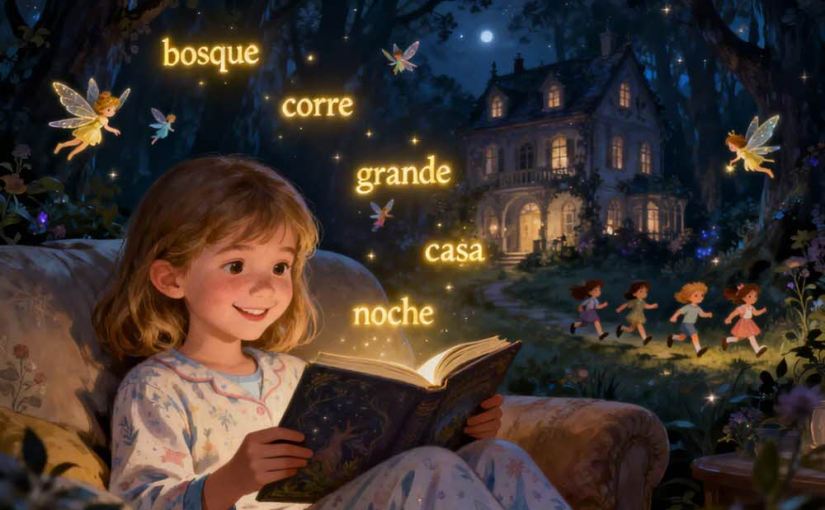
Looking for free Spanish stories for kids that you can use in your homeschool? Stories are a wonderful way to bring Spanish into your child’s day, whether you’re teaching a complete beginner or helping a more experienced learner develop stronger reading and listening skills.
For children ages 8–10, the right stories can make Spanish more engaging. Fairy tales, magical adventures, funny characters, and imaginative worlds give children something interesting to read about while exposing them to the language naturally.
But finding suitable Spanish reading materials can be a challenge. Stories written entirely in Spanish may be too difficult for beginners, while materials designed for language classes can sometimes feel repetitive or overly focused on memorizing vocabulary.
Teaching Spanish to 10-year-old children can be wonderfully rewarding. It can also be challenging when students lose interest in vocabulary drills, struggle to understand Spanish stories, or progress at very different speeds.
You want children to enjoy learning, remember what they encounter, and gradually become comfortable understanding Spanish. You also need lessons that keep them engaged without spending hours preparing activities or constantly trying to bring distracted students back on task.
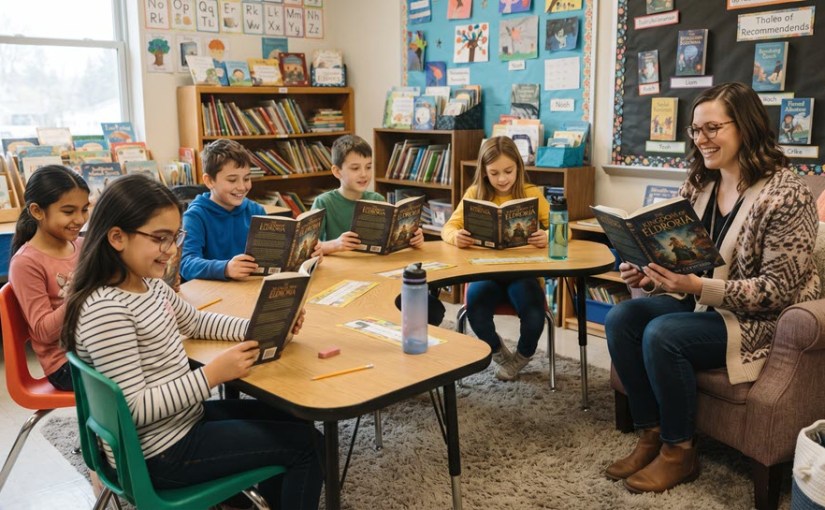
One of the easiest ways to make Spanish more enjoyable is to bring stories into the classroom.
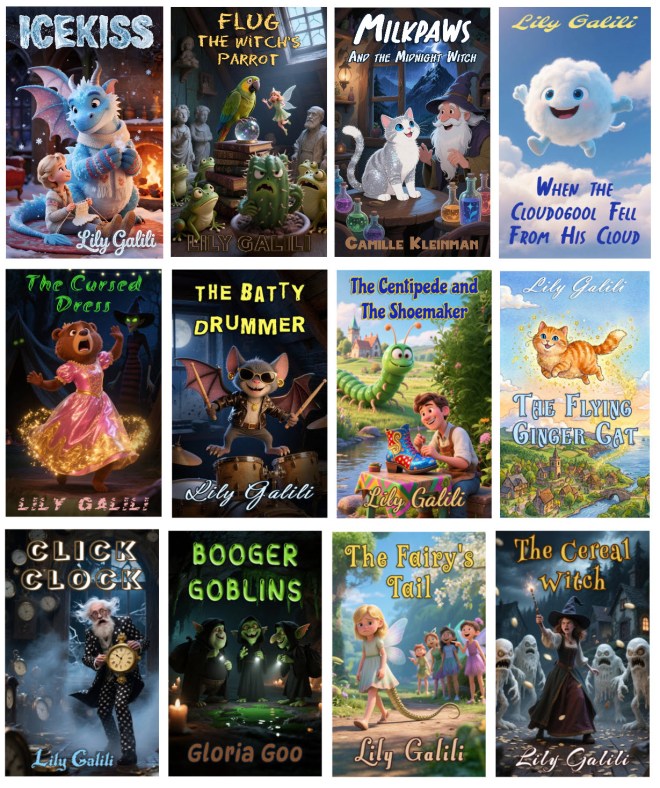
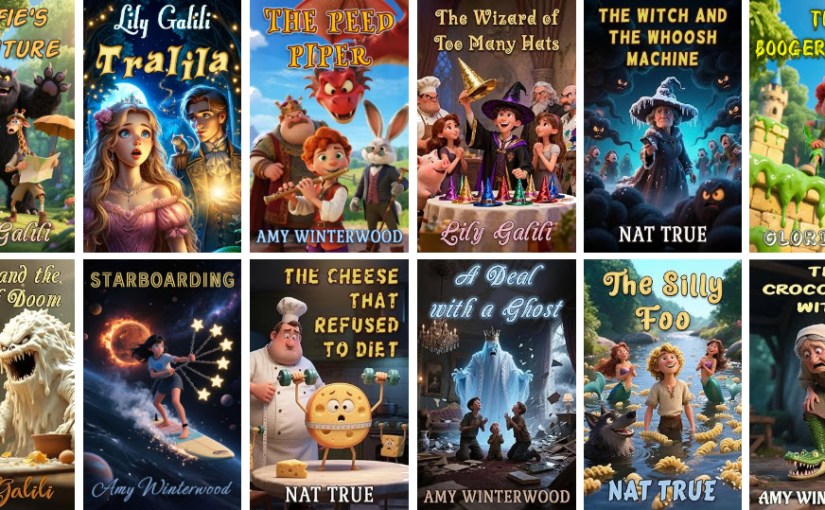
At age 10, children can enjoy mysteries, magical adventures, funny characters, fairy tales, and imaginative worlds.
Teaching 4th graders Spanish in an enjoyable and effective way can be a challenge. You want children to build vocabulary, improve reading comprehension, understand spoken Spanish, and develop confidence. At the same time, you need lessons that hold their attention without turning every activity into another vocabulary quiz or grammar exercise they dread and struggle with.
Spanish Stories can help you bring these language learning goals together.
When children follow an exciting story, they have a reason to pay attention and keep studying. They want to discover what happens next, find out what a character is hiding, or see whether the hero succeeds. Spanish becomes part of an enjoyable experience rather than a collection of unfamiliar words to memorize.
With the right Spanish learning materials, you can make Spanish lessons for kids more engaging while giving students regular opportunities to hear, read, understand, and eventually be able to use the language.
LingoLina offers a growing library of free Spanish stories for 4th grade and other elementary school learners, including bilingual English-Spanish stories, Spanish-only stories, audiobooks, and playful learning materials.
Our bilingual stories use our unique NeuroFluent Immersion Method, which enables even complete Spanish beginners to easily follow along regardless of their level and naturally pick up Spanish vocabulary as they read.
These resources can help you introduce Spanish to beginners, support developing readers, and give more experienced learners opportunities to build fluency.
Go here to access all our free resources including Spanish and bilingual stories, activity sheets, coloring sheets, word puzzles, Spanish vocabulary game ideas, and free courses for educators on how to make learning Spanish easy and fun for kids.
Have you ever sat down to practice Spanish with your child, only for them to completely tune out after two minutes?
Before you assume they just “aren’t interested” or that language learning isn’t for them, take a deep breath. The truth is much simpler: It’s not a lack of motivation; it’s just how their brain is wired.
Every child has a unique way of processing the world. When we force a child who loves to move to sit still with flashcards that bore them or lessons that don’t align with their natural learner type, frustration happens.
But when you match Spanish to your child’s natural learning style, something magical happens. The resistance disappears, vocabulary sticks, and learning a second language actually becomes fun.
Teaching kids Spanish with stories is the most enjoyable way to expose them to the language and help develop Spanish listening comprehension, speaking skills, reading comprehension, vocabulary, grammar, and natural Spanish fluency.
That’s why LingoLina created a free library of Spanish and bilingual English-Spanish stories for kids from beginner to advanced level. Learning Spanish should be easy and fun, not a boring chore!
Parents searching for the best way to teach kids Spanish usually land on flashcards and vocabulary drill sheets.
The problem is that children do not store Spanish words as tidy lists. That’s not the natural way any human learns their first language, and it’s not an easy way to learn their second.
The fastest and easiest way for kids to learn Spanish vocabulary is through meaning, imagery, emotion, patterns, and natural repetition inside stories that they actually enjoy.
Let’s dive into what neuroscience, brain studies, linguistic experts, and researchers say about teaching kids Spanish with stories and what makes it so effective.
Parents searching for ways to teach kids Spanish often come across Rosetta Stone very quickly. It is one of the oldest and most recognizable names in language learning.
At the same time, many parents today are looking for gentler, more natural ways to help children learn Spanish, especially when traditional lessons or apps lead to frustration, boredom, or resistance.
LingoLina™ and Rosetta Stone both promise immersion. But they define immersion in very different ways.
This article compares LingoLina™ vs Rosetta Stone for teaching kids Spanish, looking closely at how each method works, how children’s brains learn languages, and which approach fits different families and learning styles best.
Parents looking to teach kids Spanish often end up choosing between two very different approaches.
One is app-based learning, where children tap through short exercises, vocabulary drills, flashcards, quizzes, and games. Duolingo is the most well-known example of this model.
The other is story-based Spanish immersion, where children learn Spanish through meaningful stories they understand. This is the approach used by LingoLina™.
Both aim to help children learn Spanish. But they work in fundamentally different ways.
Understanding those differences matters because children’s brains do not learn languages the same way adult brains do.
Do you want to learn Spanish yourself, or teach it to a child in a simple and effective way?
This bilingual English–Spanish retelling of Prince Husain and the Flying Carpet makes the language learning experience enjoyable and effortless.
Each English sentence is paired with its Spanish translation, so you can follow the meaning instantly and pick up new vocabulary as you read.
The short, direct lines and natural repetition help you (or a child) understand real Spanish patterns without drilling, memorizing grammar rules, or using complicated apps.
If you’re looking for a practical method to learn or teach Spanish that builds real comprehension through context, this story gives you exactly that.
This bilingual English–Spanish version of Puss in Boots gives beginners a direct and effective way to learn Spanish through story-based immersion.
Each English sentence is paired with its Spanish translation, making it easy to understand new words instantly and follow the story with confidence.
The clear, simple structure helps kids and adults recognize real Spanish patterns, expand vocabulary, and improve comprehension without memorizing grammar rules or doing drills.
Reading bilingual stories like Puss in Boots turns Spanish learning into an effortless, natural process where the brain absorbs the language through context.
This bilingual English–Spanish retelling of The Ugly Duckling is a clear and practical way for beginners to build real Spanish skills through reading.
Each English sentence appears with its Spanish translation, so readers can follow the story easily while understanding new Spanish words directly in context.
The short, simple sentences and repeated structures make it ideal for Spanish immersion at home, helping kids and adults strengthen vocabulary, improve comprehension, and get used to real Spanish sentences instead of isolated word lists.
Story-based learning like this turns Spanish into something the brain can remember and reuse naturally.
This bilingual English–Spanish retelling of Ali Baba and the Forty Thieves gives beginners a clear, effective, and practical way to build real Spanish skills through reading.
Each English sentence is paired with its Spanish translation, so readers understand the meaning instantly and absorb new vocabulary without effort.
The short, direct sentences make this story ideal for Spanish immersion at home, helping kids and adults strengthen comprehension, recognize sentence patterns, and pick up Spanish naturally through context.
Story-based learning like this turns Spanish into a language you can understand and remember effortlessly without drills, memorization, or pressure.
This bilingual English–Spanish retelling of Sinbad the Sailor is an effective and powerful way for beginners to learn Spanish through clear, direct reading.
Each English sentence appears with its Spanish translation, allowing readers to understand new vocabulary immediately and absorb patterns naturally. The simple language, short sentences, and side-by-side structure make this ideal for building real Spanish comprehension through context instead of memorization.
Stories like Sinbad the Sailor turn Spanish learning into an easy, effortless process for kids, adults, and anyone who prefers practical, story-based immersion over traditional drills.
This bilingual English–Spanish retelling of The Emperor’s New Clothes gives beginners an easy way to learn Spanish through fun, simple reading. Each English sentence is paired with its Spanish translation, helping readers understand new words quickly while enjoying the story.
Because the language is short and clear, it works well as a bilingual story for kids, a Spanish–English reading activity for families, or a gentle immersion tool for adults who like learning Spanish through classic tales.
Stories like The Emperor’s New Clothes make Spanish feel approachable by teaching vocabulary through context, repetition, and natural storytelling.
This beginner-friendly bilingual retelling of The Elves and the Shoemaker in English and Spanish is an easy, effective way to learn Spanish through simple reading practice.
Each English sentence appears with its Spanish translation, helping readers understand new vocabulary instantly and follow the story with confidence. Perfect for teaching kids Spanish at home or in a classroom, for early learners, or for adult beginners who enjoy classic fairytales.
Stories like The Elves and the Shoemaker make it easy to learn Spanish naturally through repetition, context clues, and enjoyable shared reading time.
This easy bilingual retelling of The Little Red Hen in English and Spanish is a fun way for beginners to learn Spanish through simple storytelling. Each English line appears with its Spanish translation, so readers can understand new vocabulary instantly and follow the story without confusion.
Because the sentences are short and beginner-friendly, this works beautifully as a bilingual story for kids, a Spanish–English reading activity for families, or a gentle Spanish immersion option for adults who enjoy classic tales.
Stories like The Little Red Hen help build Spanish vocabulary naturally through repetition, context, and enjoyable reading time.
This bilingual retelling of The Princess and the Pea in English and Spanish makes Spanish learning easy and enjoyable for beginners. Each English sentence is paired with its Spanish translation so readers can follow the story instantly and pick up new words without effort.
Because the language is short, clear, and perfect for early learners, this works well as a bilingual story for kids, a Spanish–English reading activity at home, or a gentle Spanish immersion tool for adults who enjoy fairytales.
Classic stories like The Princess and the Pea help build Spanish vocabulary through repetition and familiar scenes, making learning feel natural.
You can use our free bilingual stories at home or in the classroom as fun language learning materials.
This easy bilingual retelling of Thumbelina in English and Spanish is perfect for beginners who want to learn Spanish through simple stories.
Each English sentence appears with its Spanish translation, making it effortless to follow the plot and understand new words in context.
Because the language is clear and beginner-friendly, this works beautifully as a bilingual story for kids, a Spanish–English reading activity, or a gentle Spanish immersion option for adults who enjoy fairytales.
Classic tales like Thumbelina help readers build Spanish vocabulary naturally without drills, worksheets, or pressure, just relaxed story-based Spanish learning.
This bilingual English–Spanish version of The Pied Piper of Hamelin offers a simple and engaging way to learn Spanish through storytelling. With each English sentence paired directly with its Spanish translation, beginners can follow the plot easily while discovering new Spanish words in context.
Because it’s a lively, easy-to-read tale, it works wonderfully as a bilingual story for language learners, a Spanish–English reading activity for kids, or a gentle immersion tool for families who prefer learning Spanish through fun stories instead of memorization.
The familiar storyline and clear language make it especially helpful for building confidence in early Spanish reading.
This humorous bilingual version of Goldilocks and the Three Bears is perfect for anyone who wants a gentle way to learn Spanish with stories.
The English and Spanish sentences sit side by side, making it easy for kids to follow the meaning while picking up new Spanish words naturally.
Because it’s a classic fairytale in Spanish and English with short, simple sentences, it works beautifully as a Spanish learning story for kids, a Spanish–English learning activity for beginners, or a relaxed Spanish immersion at home.
Many families enjoy using bilingual fairytale stories like this to teach kids Spanish in a playful way, without drills or pressure, just simple reading and natural learning.