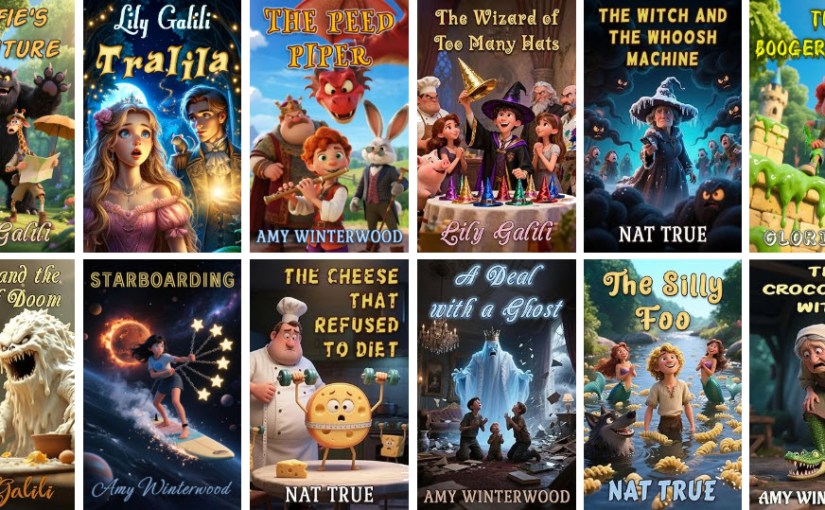
Teaching kids Spanish with stories is the most enjoyable way to expose them to the language and help develop Spanish listening comprehension, speaking skills, reading comprehension, vocabulary, grammar, and natural Spanish fluency.
That’s why LingoLina created a free library of Spanish and bilingual English-Spanish stories for kids from beginner to advanced level. Learning Spanish should be easy and fun, not a boring chore!
The Science Behind How Story Learning Works in a Nutshell
When kids listen to a story or read a story, multiple parts of their brains light up as they imagine the story scenes unfolding in their imagination. These scenes form strong neural connections to the new Spanish words they hear.
With bilingual stories, such as LingoLina’s paired-sentence stories, the brain first hears the scene in English and fully understands what’s going on. Then it hears the same scene again in Spanish and naturally links the two languages together. It effortlessly binds the new, unfamiliar Spanish words it hears to the familiar English ones, forming powerful neural connections.
Amazingly, over the past 60 years, scientists and researchers from all over the world have discovered through experiments and research that stories are the most effective way to teach a language to both kids and adults.
If you’re into the science, you can learn all the sciency details and explanations about why kids learn Spanish best from bilingual stories in the free online courses we created, which were published by the award-winning, gold-rated Open University on their free learning platform.
In short, memorizing vocabulary lists is boring and causes kids to lose motivation. The words are stored in their short-term memory and are quickly forgotten. On the other hand, words heard in a story become attached to the imagined scenes, which are stored in long-term memory, making those words stick longer and more deeply in a child’s mind.
Stories make it easier and faster to learn Spanish than vocabulary drills or grammar lessons.
That’s why LingoLina offers 41+ free stories for kids learning Spanish. They’re available both as Spanish-only stories and bilingual English-Spanish books, which are ideal for beginner and intermediate learners who don’t yet speak any Spanish.
Download all our free Spanish stories and audiobooks here.
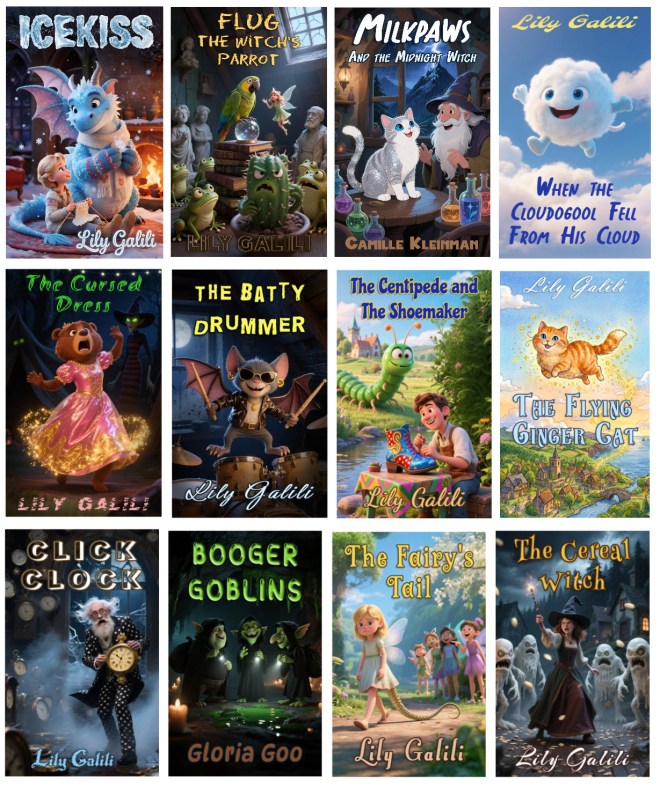
How to Use Stories to Teach Kids Spanish
The most effective way is also the simplest and most straightforward: simply read the stories or listen to them.
Read or listen every day for 15 to 30 minutes using a story your child genuinely enjoys and looks forward to.
Each time you read, they’ll be exposed to many Spanish words and naturally grow their Spanish vocabulary.
Speaking always comes after understanding a language, so don’t be surprised if your little one doesn’t start speaking Spanish right away. Keep exposing them to Spanish regularly, and over the coming months, as their comprehension grows, so will their ability to speak.
Try not to rush speech. Avoid constantly asking, “What Spanish words do you remember?” or drilling them on vocabulary. Instead, let them absorb the language naturally, just as they did with their first language.
After several months of consistent daily exposure, you’ll likely notice your child beginning to understand simple questions in Spanish and gradually speaking more Spanish words and short phrases.
You can also mix in games and playful activities to encourage them to engage with Spanish vocabulary while practicing simple words and short sentences in a fun, low-pressure way.
Once your child understands Spanish well, speaking will begin to feel natural and comfortable. Just like a baby learning their first language, comprehension comes first, and speech follows.
Should Spanish Beginners Read Bilingual Stories or Spanish-Only Stories?
Many parents wonder whether they should start with bilingual English-Spanish stories or jump straight into Spanish-only books.
For complete beginners, bilingual Spanish stories are usually the easiest and most enjoyable place to begin.
When children understand the English sentence first, they immediately know what the Spanish sentence means. Their brains can then focus on connecting new Spanish vocabulary with ideas they already understand instead of trying to guess the meaning.
This makes bilingual storybooks an excellent choice for children who are just starting to learn Spanish.
As children’s Spanish vocabulary grows, they can gradually transition to Spanish-only stories. Because they have already developed confidence through bilingual reading, Spanish-only books no longer feel overwhelming. Instead, they become the next natural step toward Spanish fluency.
That is why our free library includes both bilingual English-Spanish stories and Spanish-only editions, allowing children to progress naturally at their own pace.
Can Children Learn Spanish Just by Reading Stories?
Stories alone expose children to thousands of real Spanish words, complete Spanish sentences, and natural grammar patterns.
Every story strengthens Spanish reading comprehension, expands Spanish vocabulary, and develops an intuitive understanding of how the Spanish language works.
However, children learn even faster when stories are combined with listening.
Reading while hearing native Spanish pronunciation helps children connect written Spanish with spoken Spanish. This develops Spanish listening comprehension while also improving pronunciation and speaking confidence.
That is why our free Spanish story library includes bilingual audiobooks alongside the written stories. Children can read, listen, or enjoy both together depending on their age and learning style.
Rather than separating Spanish reading practice from Spanish listening practice, both skills develop naturally through the same enjoyable stories.
Why Are Spanish Bedtime Stories So Effective?
Bedtime is one of the easiest times to introduce Spanish into your child’s daily routine.
Instead of adding another lesson during an already busy day, parents can simply replace one bedtime story with a Spanish bedtime story or bilingual English-Spanish story.
Children are naturally relaxed during bedtime reading. There are no quizzes, no pressure to remember every word, and no expectation to perform.
They simply listen.
This relaxed environment helps children stay engaged while hearing Spanish spoken naturally.
Many families discover that bedtime quickly becomes their child’s favorite Spanish lesson because it doesn’t feel like a lesson at all. It simply becomes another cozy family tradition filled with magical adventures, fairy tales, talking animals, and imaginative worlds.
Even listening to one Spanish audiobook before bed each evening can provide valuable daily Spanish language exposure.
Fun Spanish Activities for Kids After Reading a Story
Reading the story is only the beginning.
Children remember Spanish vocabulary even better when they continue interacting with the characters and ideas after finishing the story.
Our free library includes printable Spanish coloring pages that allow younger children to revisit their favorite characters while continuing to hear or discuss Spanish words they encountered during the story.
Spanish word search puzzles help reinforce vocabulary children recently learned through reading.
Families can also use the included collection of more than 300 Spanish games and creative play ideas to bring stories into everyday life. Acting out scenes, drawing favorite characters, pretending to be magical creatures, creating puppet shows, or inventing new endings all encourage children to revisit familiar Spanish vocabulary in fun and meaningful ways.
Instead of feeling like homework, Spanish becomes part of imaginative play.
Frequently Asked Questions About Free Spanish Stories for Kids
Where can I find free Spanish stories for kids?
LingoLina offers a growing collection of more than 41 free Spanish stories for kids, including bilingual English-Spanish editions, Spanish-only books, Spanish audiobooks, printable coloring pages, Spanish word search puzzles, and hundreds of fun learning activities.
Are bilingual stories good for learning Spanish?
Yes. Bilingual stories help children understand every part of the story while gradually, naturally, without effort or confusion, building Spanish vocabulary and Spanish reading comprehension. Because children always understand what they are reading, they remain engaged and motivated to continue learning.
Are Spanish audiobooks good for children learning Spanish?
Spanish audiobooks provide valuable listening practice by exposing children to natural pronunciation, rhythm, and sentence structure. Combining reading with listening also helps strengthen Spanish listening comprehension and improves confidence when children eventually begin speaking Spanish.
How often should children read Spanish stories?
Short daily reading sessions usually work better than occasional long lessons. Reading or listening to one Spanish story each day provides regular Spanish language exposure while helping children steadily expand their Spanish vocabulary and reading skills.
Can parents teach Spanish even if they don’t speak it?
Absolutely.
Many parents begin learning alongside their children. Because bilingual English-Spanish stories always include the English translation, parents can easily follow the story together with their child while gradually learning Spanish themselves.
Are Spanish stories suitable for homeschooling?
Yes. LingoLina’s free Spanish children’s stories are popular with homeschooling families, bilingual families, classroom teachers, tutors, grandparents, multi-lingual families, and parents who want to introduce Spanish naturally at home without purchasing an expensive Spanish curriculum.
Can Children Learn Spanish at Any Age?
Children can begin learning Spanish at almost any age. Babies and toddlers naturally absorb the sounds and rhythm of a language simply by hearing it regularly. Preschoolers quickly begin recognizing familiar Spanish words through repetition, while elementary-aged children often enjoy reading simple Spanish stories and listening to Spanish audiobooks. Older children and teenagers can build Spanish fluency surprisingly quickly when they regularly read engaging Spanish books and listen to Spanish stories they genuinely enjoy.
The key is not finding the “perfect” age to start learning Spanish. The key is providing consistent, enjoyable Spanish language exposure over time.
Children who associate Spanish with fun storytime, magical adventures, funny characters, exciting mysteries, and bedtime stories are far more likely to feel motivated, like Spanish, and want to continue learning Spanish, than children who associate Spanish with stressful grammar drills, grammar worksheets, and boring vocabulary drills.
What makes LingoLina different from other Spanish learning resources?
Many Spanish programs focus on memorizing vocabulary lists, completing grammar exercises, or practicing isolated phrases.
LingoLina takes a different approach.
Our neuroscience-backed NeuroFluent™ Immersion Method teaches Spanish through bilingual immersion using engaging stories that children genuinely enjoy reading.
Instead of memorizing disconnected Spanish words, children naturally build Spanish vocabulary, Spanish reading comprehension, Spanish listening comprehension, and Spanish fluency through exciting stories, fairy tales, fantasy adventures, and audiobooks.
Learning Spanish becomes something children look forward to rather than another school subject.
Download Our 41+ Exciting Free Spanish Stories for Kids
If you’re searching for free Spanish stories for kids, bilingual English-Spanish books, Spanish fairy tales, Spanish audiobooks for kids, or fun Spanish activities that make learning feel effortless, our growing free library was created for you.
Whether your child is learning their very first Spanish words or already enjoys reading Spanish stories independently, you’ll find resources designed to make every stage of the journey enjoyable.
Download 41 free Spanish stories for kids, including classic fairy tales and original fantasy adventures. Listen to our Spanish and bilingual English-Spanish audiobooks.
You’ll also get printable Spanish word search puzzles and coloring pages. These are fun activities to keep kids busy while listening to audiobooks or after storytime.
And you’ll also discover over 300 creative games and activities that help children develop Spanish vocabulary, Spanish reading comprehension, Spanish listening comprehension, and lasting Spanish fluency.

 LingoLina