What Science Says about Teaching Kids Spanish with Stories

Parents searching for the best way to teach kids Spanish usually land on flashcards and vocabulary drill sheets.

The problem is that children do not store Spanish words as tidy lists. That’s not the natural way any human learns their first language, and it’s not an easy way to learn their second.

The fastest and easiest way for kids to learn Spanish vocabulary is through meaning, imagery, emotion, patterns, and natural repetition inside stories that they actually enjoy.

Let’s dive into what neuroscience, brain studies, linguistic experts, and researchers say about teaching kids Spanish with stories and what makes it so effective.

Continue reading What Science Says about Teaching Kids Spanish with Stories
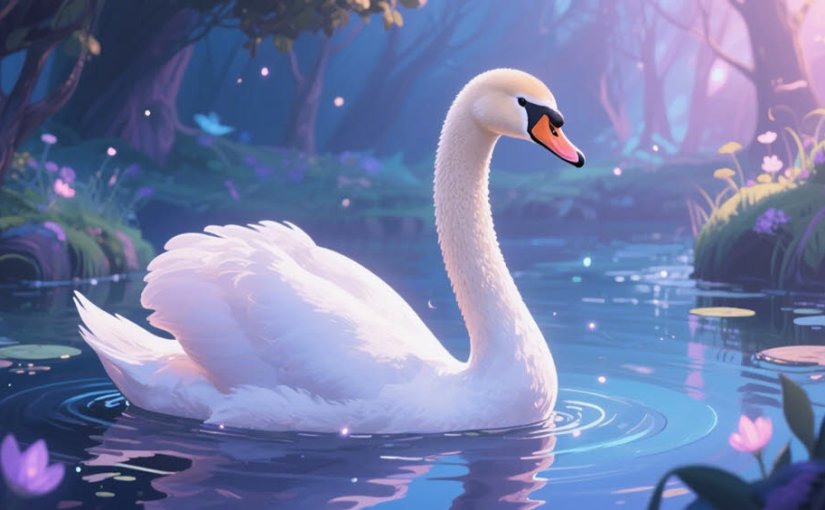
The Ugly Duckling Story in Simple Spanish and English

This bilingual English–Spanish retelling of The Ugly Duckling is a clear and practical way for beginners to build real Spanish skills through reading.

Each English sentence appears with its Spanish translation, so readers can follow the story easily while understanding new Spanish words directly in context.

The short, simple sentences and repeated structures make it ideal for Spanish immersion at home, helping kids and adults strengthen vocabulary, improve comprehension, and get used to real Spanish sentences instead of isolated word lists.

Story-based learning like this turns Spanish into something the brain can remember and reuse naturally.

Enjoy this free bilingual story!

Continue reading The Ugly Duckling Story in Simple Spanish and English

Thumbelina in Spanish and English – Free Simple Story for Language Learning

This easy bilingual retelling of Thumbelina in English and Spanish is perfect for beginners who want to learn Spanish through simple stories.

Each English sentence appears with its Spanish translation, making it effortless to follow the plot and understand new words in context.

Because the language is clear and beginner-friendly, this works beautifully as a bilingual story for kids, a Spanish–English reading activity, or a gentle Spanish immersion option for adults who enjoy fairytales.

Classic tales like Thumbelina help readers build Spanish vocabulary naturally without drills, worksheets, or pressure, just relaxed story-based Spanish learning.

Enjoy this free story!

Continue reading Thumbelina in Spanish and English – Free Simple Story for Language Learning

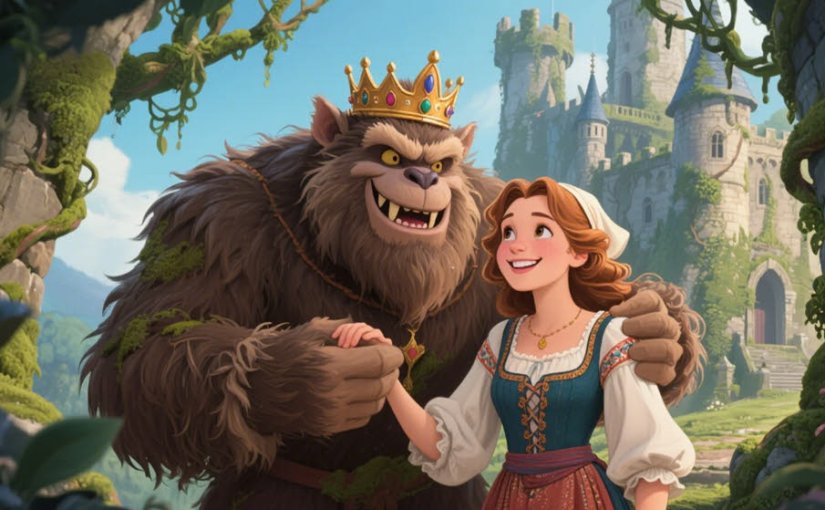
Beauty and the Beast in Spanish and English for Language Learning Beginners and Kids

This bilingual English–Spanish fairytale is a fun way to help beginners learn Spanish with simple stories. Each English line appears with its Spanish translation, so kids and adults can follow the meaning instantly and build Spanish vocabulary without effort.

Because it’s a familiar tale with short, simple Spanish sentences, it works beautifully as a Spanish–English reading activity for kids and beginners.

Learning Spanish through stories is easy, fun, and highly effective! Read a story each day to become fluent in Spanish within 12 to 18 months.

Many families enjoy using classic stories like this to teach kids Spanish naturally through repetition, context, and enjoyable reading time together.

Continue reading Beauty and the Beast in Spanish and English for Language Learning Beginners and Kids

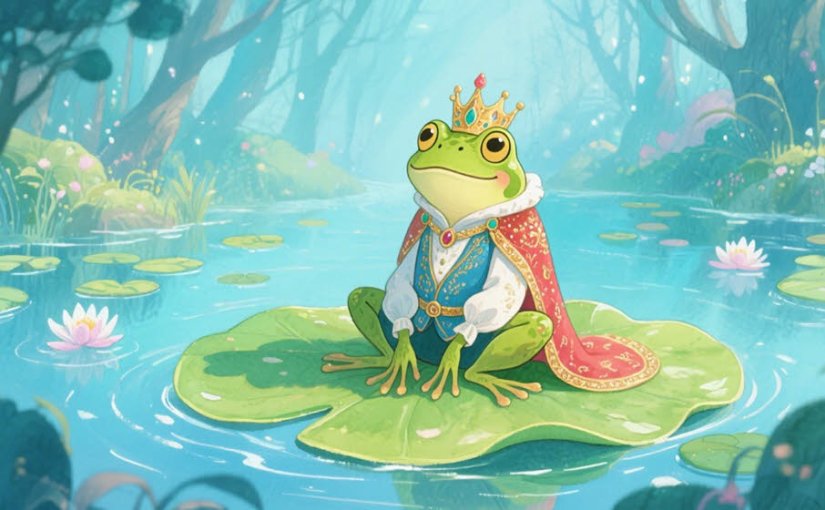
The Frog Prince – Easily Learn Spanish with Stories for Free

This easy bilingual fairytale helps kids and beginners learn Spanish through simple, clear storytelling. The English and Spanish sentences appear side by side, making it effortless to follow the plot and understand new Spanish words as you read.

Because the Spanish language is simple and beginner-friendly, this story offers a relaxed way to build Spanish vocabulary and confidence for both kids and adults who enjoy learning through stories.

Continue reading The Frog Prince – Easily Learn Spanish with Stories for Free

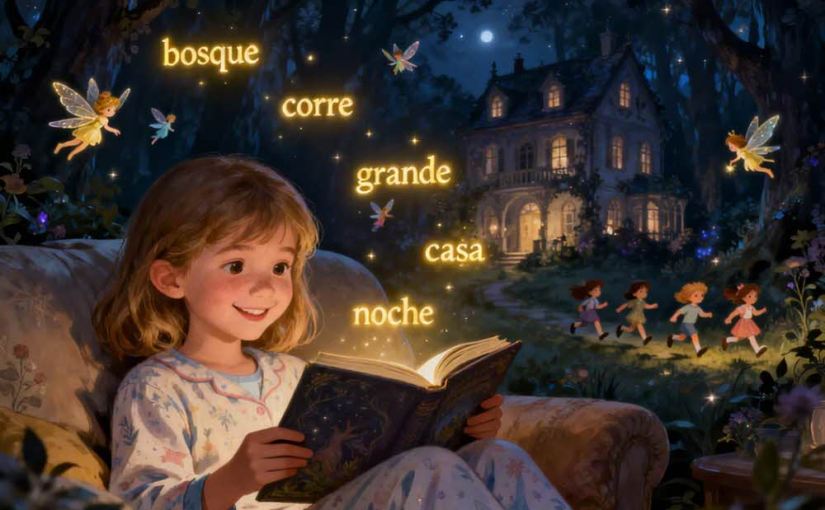
The Science Behind Bilingual Stories for Teaching a 7-Year-Old Spanish

If you’ve ever tried teaching your 7-year-old Spanish and watched their eyes glaze over after ten flashcards or one grammar lesson, you already know something’s off.

Maybe you downloaded a vocab app with bright colors, a cute squirrel, and silly sounds. Maybe you printed colorful worksheets full of conjugation tables. Or maybe you bought a Spanish grammar workbook designed for kids.

And maybe, just maybe, you found yourself thinking, “Even I find this boring… how is my 7-year-old supposed to enjoy it?”

The truth is, they probably won’t. And science is on their side.

There’s a better way to teach Spanish. A way that’s more fun and far more effective, especially at age 7.

It’s called bilingual story learning. And it works better than Spanish lessons, drills, grammar rules, and isolated vocab lists because it works with your child’s brain and development stage, not against it.

Let’s dig into why.

Continue reading The Science Behind Bilingual Stories for Teaching a 7-Year-Old Spanish