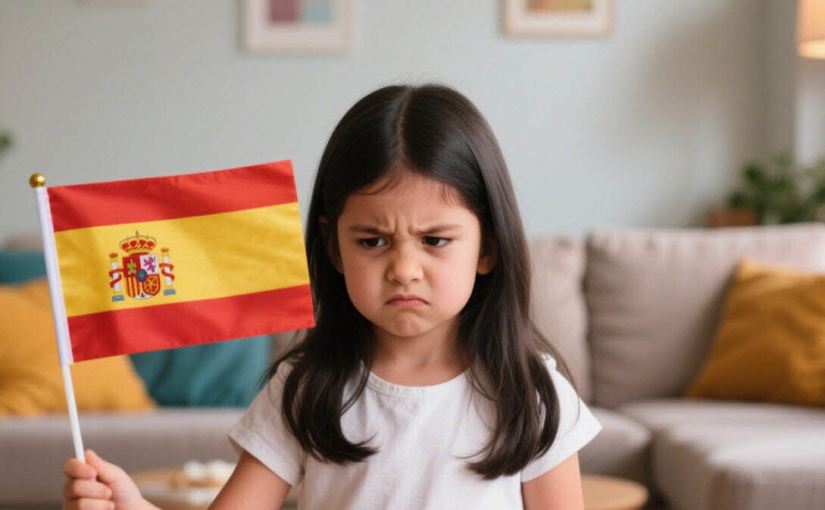
If you’re a parent trying to teach your child Spanish and they’re refusing, saying it’s boring, they don’t want to learn it, or outright telling you they hate Spanish and asking you to speak English instead, you’re not alone. This happens in countless households.
Whether your child grew up with Spanish from birth or you’re introducing it later, resistance can hit hard. You might feel frustrated, rejected, or even worried. But there’s a reason behind this refusal, and more importantly, there are gentle, joyful ways to turn things around.
Whether you’re a Spanish-speaking parent hearing those words from your child, or you’re a non-Spanish-speaking parent trying to introduce the language at home, this can feel disheartening. You want your child to connect with their roots. Or become bilingual. Or at least be open to new cultures and opportunities. But when the response is all resistance, what then?
This article will walk you through why kids resist Spanish in the first place, what traditional approaches often get wrong, and how to flip the script. Instead of begging your child to practice Spanish, you can get them asking for more… often without realizing they’re learning at all.
Why Kids Reject Spanish Heritage (It’s Not What You Think)
When a child refuses Spanish, it’s rarely about the language itself. It’s about how Spanish makes them feel.
Some kids feel anxious or embarrassed. Some feel different, especially if they live in an English-speaking country. They might associate Spanish with being the odd one out at school. They hear it at home, but all their friends speak English. And what child wants to feel like the outsider?
This isn’t rebellion. It’s emotion.
Kids have a deep need to belong. Peer approval matters. If a child feels that Spanish sets them apart in a way that makes them feel excluded, embarrassed, or “uncool,” they may pull away from it even if they understand it, even if it’s spoken at home.
That emotional distance is sometimes subtle. They might pretend they don’t understand when you speak to them in Spanish. Or they respond in English every time. Or they roll their eyes when you suggest a Spanish lesson.
It’s tempting to respond with pressure. To push harder. Insist. Correct. But language is emotional. The more pressure a child feels, the less open their brain becomes to learning. The wall goes up.
Why Traditional Language Learning Methods Often Make Kids Resist Spanish
Before we dive into what works, it helps to know what usually doesn’t. If your child hates Spanish, chances are high that one of these methods has played a role:
- Flashcards: They feel like study time. No story, no meaning, no joy. Just endless words to memorize.
- Grammar drills: Even grown-ups find these boring and a high percent drop out out of exhaustion and mental stress. Kids feel like it’s school at home.
- Apps: Many promise to be fun but are basically vocabulary drills and grammar drills with a cute mascot and some loud sound effects. They still rely on repetition, memorization, and quizzes. It might be marketed as “fun” but it doesn’t feel like much fun to your kid.
- Quizzes and correction: Asking “What does this word mean?” or correcting every mistaken translation and mispronunciation adds pressure. Kids fear mistakes. They stop trying.
These methods might lead to short-term vocabulary memorization. But they rarely create lasting understanding or a love of language. And they almost never make a child beg for more.
The Big Shift: Spanish Learning Has to Be Fun (And Feel Meaningful) for Your Kid to Want It
Kids don’t learn languages through tests. They learn through emotion, visuals, experiences, repetition, and connection. They learn through stories. Through music. Through laughter. Through bonding moments that create a sense of comfort, excitement, or curiosity.
When a child wants to understand a story and know what happens next to their favorite character, they eagerly read, listen, and keep turning pages. If the story is bilingual, they hear every sentence in English first, then in Spanish. Suddenly, Spanish isn’t an impossible puzzle. It’s simply another version of a sentence they already understood.
Their brain relaxes. Understanding comes first. And once they’re engaged, they start absorbing Spanish without even realizing it.
That’s the foundation of the NeuroFluent™ Immersion Method used in LingoLina™ stories. Each line appears first in English, then Spanish, creating a flowing rhythm of understanding and immersion. No stopping at every word to grab a dictionary. No hunting for meanings. No overwhelm and confusion.
It feels like storytime, not school.
Create a Fun Spanish Learning Routine Your Kid Looks Forward To
If you read your child a chapter of a bilingual book at night before bed, something magical starts to happen. Spanish becomes part of their comfort routine. The story becomes a world they look forward to revisiting.
And when you end a chapter on a cliffhanger? Even better.
They’ll want to know what happens next. That anticipation keeps them coming back. And every time, they’re hearing and seeing more Spanish.
Over time, the words and phrases repeat. The rhythm becomes familiar. And that’s when real learning takes root. Without drilling. Without flashcards. Just consistent exposure tied to joy.
How to Teach Your Kid Spanish If One Parent Speaks Spanish?
Make it a bond, not a battle.
In bilingual homes, it can be heartbreaking when your child resists your language. They might understand you perfectly in Spanish, but answer only in English. Or they might pretend not to understand at all. It can feel like rejection.
But often, it’s not about the parent. It’s about social belonging.
Your child may associate English with school, with friends, with the world they live in. Spanish might feel like a private language at home. And if they feel it marks them as different, they might suppress it to fit in.
Instead of turning Spanish into a lesson, make it a team experience. Try reading bilingual stories together, where one parent reads the English sentence and the other reads the Spanish one. If the Spanish-speaking parent is the voice of the story, they become part of the magic—not a grammar monitor.
Use funny voices. Act out scenes. Make it feel like a play, not a lecture.
The goal isn’t to force them to speak Spanish. The goal is to reconnect the language with comfort, fun, and love.
“But What If My Kid Still Doesn’t Want to Learn Spanish?”
Sometimes, even the gentlest efforts meet a wall. That’s okay.
Don’t push harder. Instead, step sideways. Let Spanish sneak back in through the back door: jokes, funny audiobooks, silly songs, family movie nights.
No pressure. No quizzes. Just make Spanish present again, quietly.
Put on a Spanish audiobook while your child draws. Watch a movie they know by heart, but this time in Spanish. Let the story carry them. If they already know what’s happening, their brain can focus on the new sounds.
If movies are overwhelming, try bilingual storybooks.
If they resist reading, try audio. If they resist listening, try acting. If they resist both, try games in Spanish. If they still resist, try cooking a dish from a Spanish-speaking country and reading the recipe aloud. Make it like a riddle, they can only cook it if they figure out what hte ingredient mean.
If your kid is between 8 and 12 years old, getting them a Spanish penpal online on a site like InterPals could help motivate them to learn words in order to understand what their new friend is saying to them.
Language can re-enter through entertainment, books, culture, food, music, friendship, even curiosity. What matters is that it comes wrapped in something they like.
How to Handle The Silent Phase: When Kids Understand Spanish but Don’t Speak
You might wonder: But when will they start speaking Spanish?
The answer: when they’re ready.
It’s completely normal for children to listen, understand, and not speak the new language for a long time. This silent period isn’t a failure. It’s growth.
Kids will understand Spanish long before they’ll speak it. That’s normal.
Their brain is filling a reservoir with new Spanish words and meanings. With enough exposure and repetition, the words start bubbling up on their own.
One day, your child will blurt out a Spanish word you didn’t know they knew. That’s the moment the reservoir spills over.
Next thing you know, they’ll be chattering away in Spanish as if it were their mother-tongue.
In Teaching Your Child Spanish, Be the Fun Facilitator, Not the “Scary” Teacher
If your child dreads Spanish time, it might be because it feels like school. That’s not your fault, but it is fixable.
Try stepping out of the teacher role. Step into the role of playmate, co-explorer, storyteller, DJ. Put on some funny costume or clothes.
Play music in Spanish during breakfast. Play on a funny bilingual audiobook while you drive. Let your child act out a favorite story with props, toys, and costumes—and sneak in Spanish lines.
If you’re reading together, don’t stop to correct every word. Let them stumble, laugh, and try again. Celebrate the effort.
You don’t need a structured curriculum. You need consistent, joyful exposure.
Don’t call it a “lesson” because that can carry stressful connotations from school. Call it “Fun Spanish time”.
Give Your Kid Real-Life Reasons to Learn Spanish
Spanish becomes meaningful when there’s a reason to use it. So create those reasons.
Let your child video call a cousin or grandparent who only speaks Spanish. Hire a fun Spanish-speaking babysitter or tutor, someone your child enjoys and wants to talk to.
Arrange playdates with kids who speak Spanish. Visit neighborhoods, stores, or festivals where Spanish is spoken. Let them hear the language in action, outside of “practice time.”
If they ‘fall in love’ with someone who speaks Spanish (a friend, a nanny, a character in a show, a penpal) that alone can motivate them to learn Spanish and keep going until they can communicate what they want to say and understand what the other person says.
Play-Based Ways to Make Spanish Language Immersion Fun For Your Kid
- Read bilingual stories before bedtime
- Act out bilingual stories with costumes or puppets
- Set up a “Spanish café” at home and roleplay ordering food
- Play hide-and-seek or treasure hunts with Spanish clues
- Cook something together using a Spanish-only recipe
- Read comic strips using simple Spanish dialogue
If you build positive memories around Spanish, the language becomes tied to laughter, curiosity, and fun, not stress.
Final Thoughts: The Best Way to Teach a Kid Spanish When they Refuse to Learn It
Children don’t fall in love with languages through textbooks, grammar drills, and stressful quizzes. They fall in love through moments. Through stories. Through the feeling that Spanish is their choice, not something being forced on them.
You can start building those moments tonight.
Pick a story. Read one chapter. Or watch one TV episode.
Smile at the adventure. Laugh at the characters. Let the story draw your kid into the world of Spanish and naturally fill their mind with Spanish words.
Don’t quiz. Don’t analyze. Don’t test.
Just read. And tomorrow? Read again.
Because when Spanish becomes the most fun part of the day, they won’t run from it.
They’ll run toward it.
And one day, they’ll say what every parent longs to hear:
“Can we read just one more chapter tonight? Please?”
That’s not a language lesson.
That’s fluency, waiting to bloom.
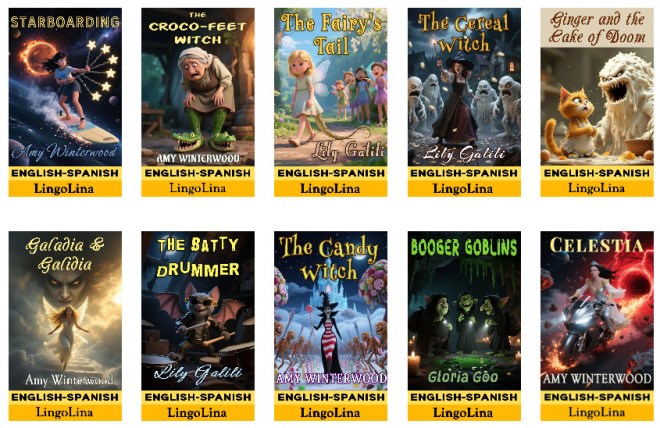
Try one of our fun bilingual stories for kids tonight.
Common Questions Parents Ask When Kids Reject Spanish
1. Why does my child hate learning Spanish?
Usually because it feels like school. Flashcards, corrections, and pressure turn it into a chore instead of something fun or meaningful.
2. What if my kid says Spanish is boring?
They’re likely bored with the method, not the language. Switch to fun stories, shows, or songs instead of drills.
3. How do I get my child interested in Spanish again?
Make it fun. Read exciting bilingual stories, watch their favorite movies dubbed in Spanish, and skip anything that feels like a lesson.
4. My kid understands Spanish but refuses to speak it. Why?
That’s normal. It’s called the silent period. Let them keep listening and reading. Speaking comes later.
5. How can I teach my child Spanish without pressure?
Make it part of daily fun—bedtime stories, music, jokes. Avoid correcting or testing. Just enjoy the experience together.
6. What’s the best way to teach a kid Spanish at home?
Use bilingual storybooks where each sentence is first in English, then in Spanish. It builds understanding naturally.
7. Should I correct my child’s Spanish mistakes?
Rarely. Gently model the correct version, but don’t interrupt or criticize. Let fluency grow through repetition.
8. How long until my child starts speaking Spanish?
It varies, but with consistent exposure, most kids begin speaking naturally within a few months to a year.
9. How do I keep my child motivated to learn Spanish?
Let them choose content they enjoy. Stories with cliffhangers or favorite characters build natural motivation.
10. What if I don’t speak Spanish myself?
You can learn together. Use audiobooks or paired-sentence stories. Your curiosity sets a great example.
11. Can kids learn Spanish from just listening to stories?
Yes. Stories provide emotional and visual context, which makes words stick far better than isolated memorization.
12. Why does my bilingual child answer only in English?
They may feel pressure or embarrassment. Keep using Spanish calmly and consistently without forcing replies.
13. Is it too late to teach my 10-year-old Spanish?
Not at all. Older kids can learn quickly, especially through stories, shows, or a Spanish-speaking pen pal.
14. Are bilingual books better than flashcards?
Yes. Flashcards teach words. Stories teach language in real life—how it’s used, what it feels like, and why it matters.
15. How can I make Spanish cool for my child?
Show them real-life uses: songs, food, culture, or Spanish-speaking friends. Let it feel personal and special.
16. What’s the best way to introduce Spanish to a resistant child?
Don’t introduce it as Spanish. Introduce a great story, then sneak in the language through fun and curiosity.
17. Can cartoons help my child learn Spanish?
Definitely. Watching familiar shows dubbed in Spanish builds vocabulary and pronunciation without stress.
18. What if my child says they hate Spanish?
Try not to react. Shift to something fun like a joke book, funny story, or game—in Spanish, but without saying so.
19. How can I help my child see Spanish as a gift, not a burden?
Connect it to their interests, culture, or family. Let them experience the joy of understanding something new.
20. What if nothing works?
Back off for a while. Keep Spanish present in the background through songs or audiobooks. The spark will return when the pressure disappears.
Ready to make Spanish fun and addicting? Check out our growing collection of exciting, funny, and cute bilingual stories for kids of all ages.

 LingoLina