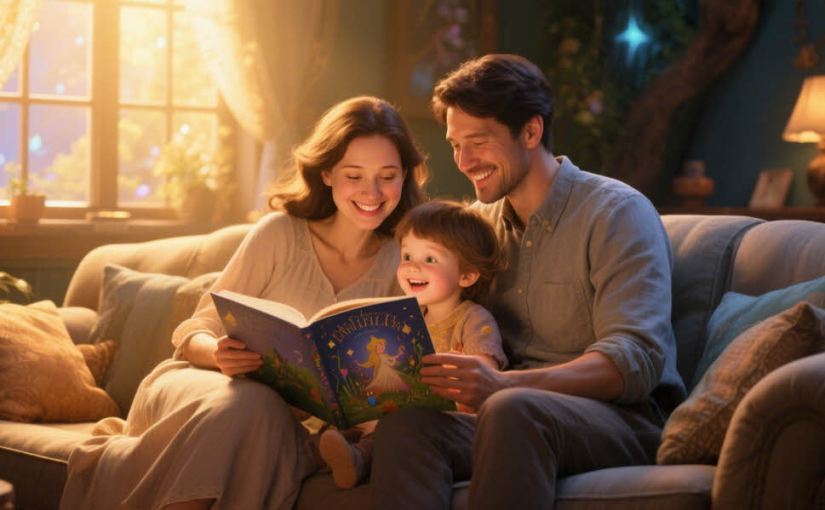
In this guide, we’ll discuss the best ways to raise bilingual kids without stress, even if you’re not bilingual yourself.
Many parents love the idea of their kids learning Spanish; it’s fun, useful, and opens doors for their future. But the question that stops most parents in their tracks is, “How can I teach my child Spanish if I don’t even speak it myself?”
The truth is, you don’t need to be fluent. You just need the right tools, mindset, and a relaxed, playful approach. Kids don’t learn languages through grammar rules or endless drills; they learn through exposure, context, and emotional connection. And the great news is that you can create that kind of environment at home, even as a beginner.
What’s the Best Way to Expose Kids to Spanish at Home?
Start small and make it part of your daily routine. Children learn best when Spanish isn’t a separate “lesson,” but woven naturally into their world. You can mix different tools and activities based on your child’s age and personality: books, bilingual stories, audiobooks, movies, music, games, and even cartoons.
Think of yourself not as a teacher, but as a learning partner. You’re there to explore Spanish alongside your child. They’ll see you trying new words, laughing at your mistakes, and staying curious; and that’s the best example you can set.
Consistency matters more than anything. Even ten minutes a day adds up quickly if it’s enjoyable.
Do Flashcards, Apps, and Grammar Drills Work for Teaching Kids Spanish?
They can, but not in the way most parents expect.
Flashcards and vocabulary apps can help children memorize words, but they often lead to stress and overwhelm. It feels like study time and most kids hate school.
Flashcards have their place but they’re only one piece of language learning.
The problem with memorizing isolated words with flashcards, is that those words don’t stick well in long-term memory because there’s no story or emotional connection to them.
Your child might remember manzana = apple for a while, but it’s easy to forget or mix up when the list grows.
That doesn’t mean flashcards are bad. They can be useful supplements for quick review or to learn essentials like colors, numbers, family roles, or everyday objects. Just don’t rely on them alone. A few minutes of flashcards can reinforce what your child already encountered in stories, movies, or conversations, but they shouldn’t be the main method.
For many kids, grammar and vocabulary drills lead to stress, boredom, or avoidance. Save these tools for later, once your child already understands some Spanish and wants to learn how sentences work.
As for those apps that claim to be “fun”, most usually hide the same old school-style grammar lessons and flashcards behind mascots and sound effects.
How Can I Make Learning Spanish Fun and Stress-Free for My Child?
The secret is meaning and emotion. Children remember what they feel connected to. A silly song, a funny cartoon scene, or a bedtime story they love will teach more than a week of worksheets and 100 flashcards.
Don’t force perfection. Encourage your child to play with the language; sing, guess, laugh at mistakes, and repeat favorite phrases. The goal isn’t accuracy; it’s comfort. If your child enjoys it, learning happens naturally.
For beginners, bilingual stories are ideal because they bridge understanding. When each sentence appears first in English, then in Spanish (as in the LingoLina™ stories) your child instantly connects the meaning without confusion. This relaxed comprehension keeps learning fun instead of stressful.
Can My Kid Learn Spanish Through Movies, Cartoons, Books, and Music?
Absolutely, but not all content works the same way at every level.
Movies and TV shows in Spanish are powerful for intermediate and advanced learners who already understand around 70% of the words. At that level, they can guess their way through new words.
For beginners, though, pure Spanish films can be overwhelming. Even with English subtitles, it’s hard to read fast enough and still enjoy the story; eyes end up glued to text instead of the action.
You can make movies work for younger or newer learners by using familiar stories. Watch a movie they already know by heart first in English, then again in Spanish. Because they already understand the plot, they can focus on words and sounds instead of trying to figure out what’s happening.
Cartoons are great at almost any level because of their exaggerated gestures, simple dialogue, and visual storytelling. Kids can often guess meaning from context alone. Shows like Pocoyo or Dora the Explorer were designed with language learners in mind. Even translated Spanish versions of old Classics like Tom & Jerry, Popeye, and other LoonyToons can be easy to understand. However, with a lot of wordless action and limited dialogue, language learning can be slow and limited.
Music adds rhythm and memory, but it’s best for later stages. Song lyrics often use fast speech, idioms, or poetic phrasing that beginners won’t catch. You can make it easier by reading translated lyrics together first, then listening and singing along. Music is powerful reinforcement once comprehension builds. Use simple funny or silly nursery rhymes your kid already knows to learn words at a beginner level.
Is Spanish Immersion a Good Way for My Kid to Learn?
Full Spanish immersion, where the child hears and speaks only Spanish, can be effective, but it depends on level.
For true beginners, pure immersion can feel confusing and stressful. When kids can’t understand most words, their brains struggle to make meaning. They might tune out, guess incorrectly, or even lose motivation. You’ll often see this frustration if you drop a beginner straight into a Spanish-only class or content.
That’s where bilingual immersion shines. Hearing English first and then Spanish allows comprehension to form instantly. The brain connects the known meaning to the new sounds, what scientists call Synaptic Language Linking. It’s how the brain naturally builds a bilingual dictionary without memorization. This approach also keeps anxiety low, so learning feels effortless.
As children progress to late intermediate or advanced levels, pure immersion becomes an excellent challenge. Reading Spanish-only books, watching shows without subtitles, and listening to Spanish podcasts all help them grow beyond the bilingual stage.
Are Bilingual Stories a Good Way to Teach My Kid Spanish?
Yes, because they’re fun and blend meaning, context, and repetition which is the perfect combination for memory and understanding.
There are two main types:
Parallel-text books, where one page is in English and the next in Spanish. These are helpful, but kids can easily skip the Spanish page or lose their place flipping back and forth.
Paired-sentence (NeuroFluent) stories, like those from LingoLina™, where each sentence appears first in English, then in Spanish. This keeps the story flowing naturally and prevents confusion.
Reading and listening together helps the brain make instant links between both languages. The child understands the story completely, feels the emotion, and unconsciously absorbs new vocabulary and grammar patterns.
A small tip: if your child reads alone, they might skim past the Spanish sentences in a book. The audiobook versions solve this perfectly as both versions are spoken, so the listener naturally hears and connects both languages. Another good solution is to make storytime a shared family activity, where you or your kid (depending on their age) reads the story out loud.
How Can Parents Learn Spanish Alongside Their Kids?
You might be surprised how quickly you start learning too. Parents who read or listen with their children pick up vocabulary, pronunciation, and even grammar patterns without trying.
You don’t have to study separately. Just listen and repeat short phrases together. Make it a shared ritual—morning songs, bedtime stories, or car-ride listening. This not only builds your own Spanish but also strengthens your bond with your child.
Even if you start at zero, you’ll soon find familiar words popping up in your day-to-day life. It’s a rewarding experience to learn side by side.
Why Does My Kid Hate Learning Spanish?
If your child resists Spanish, it’s usually not about the language, it’s about how it’s being taught.
Traditional lessons that feel like school (memorization, correction, or long drills) can make children bored, stressed, and anxious. Kids thrive when learning feels like play. If they’re saying “I hate Spanish,” try changing the format.
Switch from drills to cartoons. From flashcards to stories. From lessons to songs. Every child’s brain works differently, so experiment and notice what holds their attention. Once they feel confident and relaxed, motivation returns quickly.
Avoid pressure and focus on enjoyment. Kids learn best when they don’t even realize they’re learning.
What If My Child Isn’t Interested in Reading or Listening in Spanish?
Sometimes kids just need the right format. If they don’t like a certain book, maybe they just don’t like that specific genre or story. Maybe it’s too simple or boring for them. Try a different story before giving up.
If they resist books, try audiobooks or interactive games. If they prefer movies, use subtitled cartoons and movies. If they love music, explore Spanish versions of their favorite songs.
You can also make it social: invite friends or siblings to join, create a “Spanish story night,” or use a sticker chart to celebrate small wins.
The key is to keep Spanish a positive, pressure-free part of their life—not a chore.
Frequently Asked Questions about Teaching Kids Spanish When You Don’t Speak It
Can I teach my child Spanish if I don’t speak it?
Yes! You can learn together through stories, songs, and videos. No prior knowledge needed.
What’s the best age to start learning Spanish?
The earlier the better, but it’s never too late. Younger kids absorb sounds easily, while older ones grasp patterns faster. Thanks to the brain’s neuroplasticity, we can learn a new language at any age.
How much time should I spend per day teaching my kid Spanish?
Ten to twenty minutes of fun, consistent exposure daily works wonders.
Should I correct my child’s mistakes?
Lightly. Too much correction discourages confidence. Let fluency develop naturally.
Are bilingual stories better than flashcards?
They’re more effective for long-term memory retention because they tie words to meaning and emotion. They’re also more fun! Who doesn’t enjoy a good story? And how many of us actually ran into our school with a loud “Whoopee!! Another lesson at last!”
Should I immerse my child in Spanish-only content?
It’s great for late intermediate to advanced learners; but for beginners. Beginners who barely understand a few words often feel completely lost, overwhelmed, “stupid”, and discouraged. Start bilingual, then move toward full immersion later.
How can I use movies effectively to teach my kid Spanish?
Watch a favorite movie first in English, then in Spanish. Familiar stories make comprehension easy.
Can music help my child learn Spanish?
Absolutely. Translate lyrics first, then sing along. It’s a great way to reinforce vocabulary rhythmically. If you have young kids, start with simple nursery rhymes.
Are Spanish learning apps worth it?
Depends on the app. Most apps teach grammar and vocabulary the traditional method which children often find boring and struggle with. They’re okay as supplements, especially for reviewing numbers or colors, but shouldn’t replace real-world context.
Should I choose Latin American or European Spanish?
Either works. We suggest Latin American Spanish with a clear, neutral accent because it’s spoken by over 450 million people worldwide, is clearer for beginners, and matches pronunciation more closely to spelling. Children who learn it first can easily understand European Spanish later, while the reverse can be trickier due to accent differences. Both versions are beautiful and mutually understandable, but starting with one and staying consistent helps children build a strong foundation.
How long will it take before my child understands Spanish?
With daily exposure, most kids start recognizing words and phrases within a few months. Fluency can occur after about a year.
What if my child doesn’t like reading?
Try audiobooks or interactive games instead.
How can we learn Spanish as a family?
Create a family ritual where you watch movies together, read stories, or listen to audiobooks while drawing, crafting, or cooking together. It’s a great bonding experience. Everyone learns naturally through repetition and fun.
Why does my child forget Spanish words so fast?
That’s normal with isolated vocabulary. Use stories or sentences to give words context—they’ll stick longer.
What makes LingoLina™ stories different?
Each sentence is first in English, then Spanish, creating instant understanding and effortless language learning for both kids and parents. We have stories across all genres and for all ages from fantasy, sci-fi, space adventures, time traveling, spy stories, action, adventure, to historical dramas.
In short:
You don’t need to be fluent to raise a bilingual child. You just need curiosity, consistency, and the right tools. Mix stories, songs, games, and laughter, and Spanish will become a natural, joyful part of your family’s life.
Conclusion
There isn’t one single “best” way to teach kids Spanish, there’s only the way that fits your family. Some children learn best through songs, others through stories, and others through watching or doing.
The goal is exposure, joy, and consistency. Whether through bilingual books, cartoons, or music, give your child regular moments of Spanish they can look forward to.
And if you’re looking for a structured yet effortless starting point, LingoLina’s bilingual stories and audiobooks can guide both you and your child gently from English into Spanish, sentence by sentence. You’ll both learn naturally, without memorizing a single grammar rule.

 LingoLina